
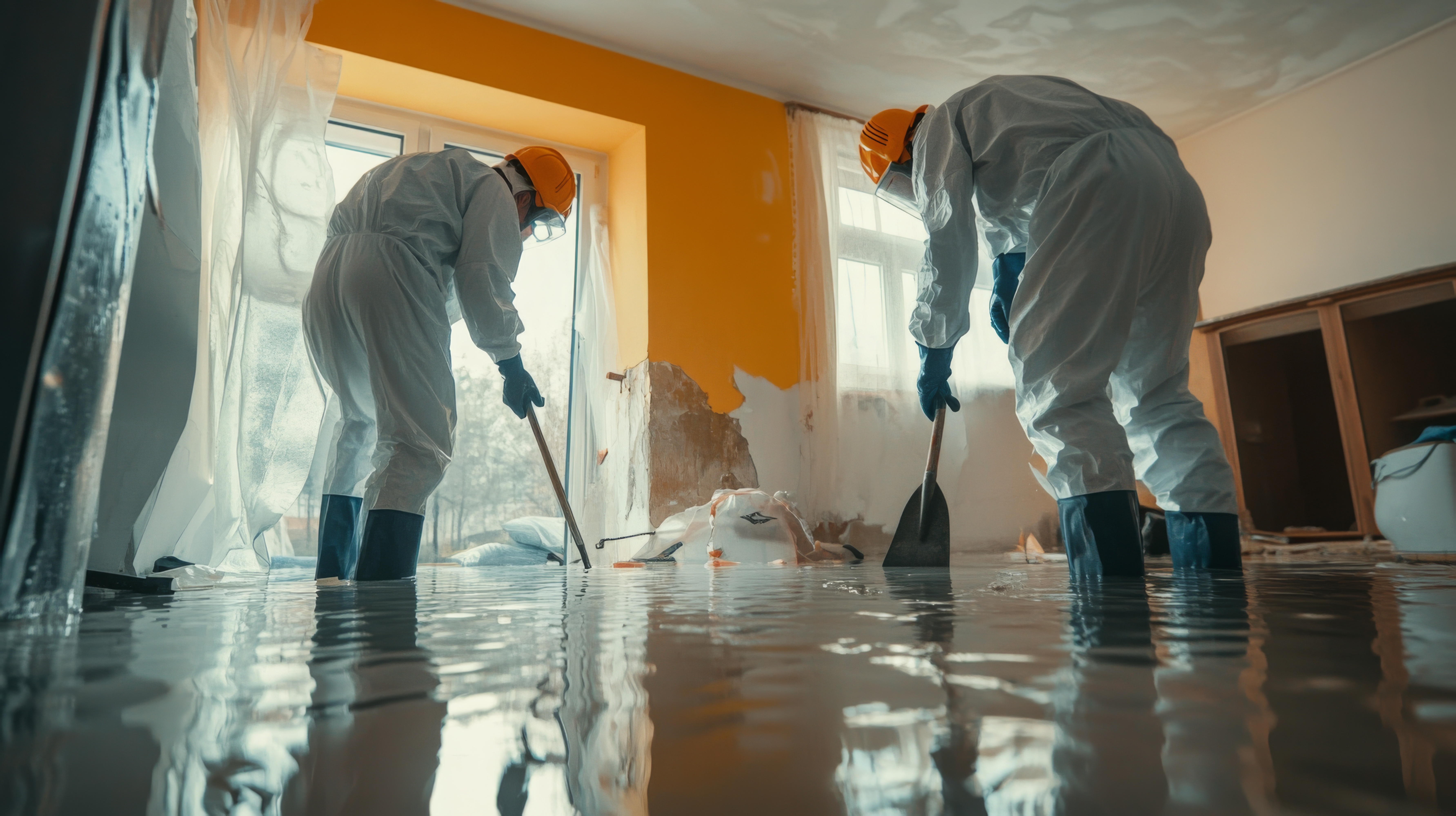
What to Do When Your Basement Floods
A flooded basement is stressful, but the first few hours make the biggest difference to how much you can save. Here is exactly what to do, in order.
1. Make sure everyone is safe
Water and electricity do not mix. If water is near outlets, cords or your electrical panel, do not walk into it. Turn off power to the basement at the breaker only if you can reach the panel while standing somewhere dry. If you cannot, call your utility provider or an electrician.
If the water came from a sewer backup, treat it as contaminated. Keep children and pets out and avoid touching it without gloves and boots.
2. Stop the source if you can
- Burst pipe or leaking appliance: shut off the main water valve, usually near the water meter in the basement
- Hot water tank: close the cold water supply valve on top of the tank and turn off the gas or power
- Sewer backup: stop using sinks, toilets, showers and the washing machine until the line is cleared
- Overland or groundwater flooding: check that your sump pump is running and its discharge line is clear
3. Document everything before you clean
Before moving anything, take photos and video of the water level, damaged walls and flooring, and every damaged item. Your insurance adjuster will want to see the damage as it happened. Keep receipts for anything you buy, such as fans or a hotel stay.
4. Call your insurer and a restoration company
Report the claim to your insurance company as soon as possible. You can choose your own restoration company; you do not have to use the one your insurer suggests. A professional crew will extract the water, measure moisture inside walls and floors, and set up commercial drying equipment.
5. Move what you can and start air flow
- Move furniture, boxes and electronics to a dry floor
- Lift rugs and place foil or wood blocks under furniture legs
- Open windows if the weather allows and run fans in dry areas
- Do not use a household vacuum to remove water
6. Watch for mold
Mold can begin growing within 24 to 48 hours on wet drywall, carpet underlay and insulation. Surfaces that look dry can still hold moisture inside. Professional moisture readings are the only reliable way to know a space is fully dry before it is rebuilt.